It’s National Physiotherapy Month in Canada! Physiotherapy’s Role in Long-Term Wellness
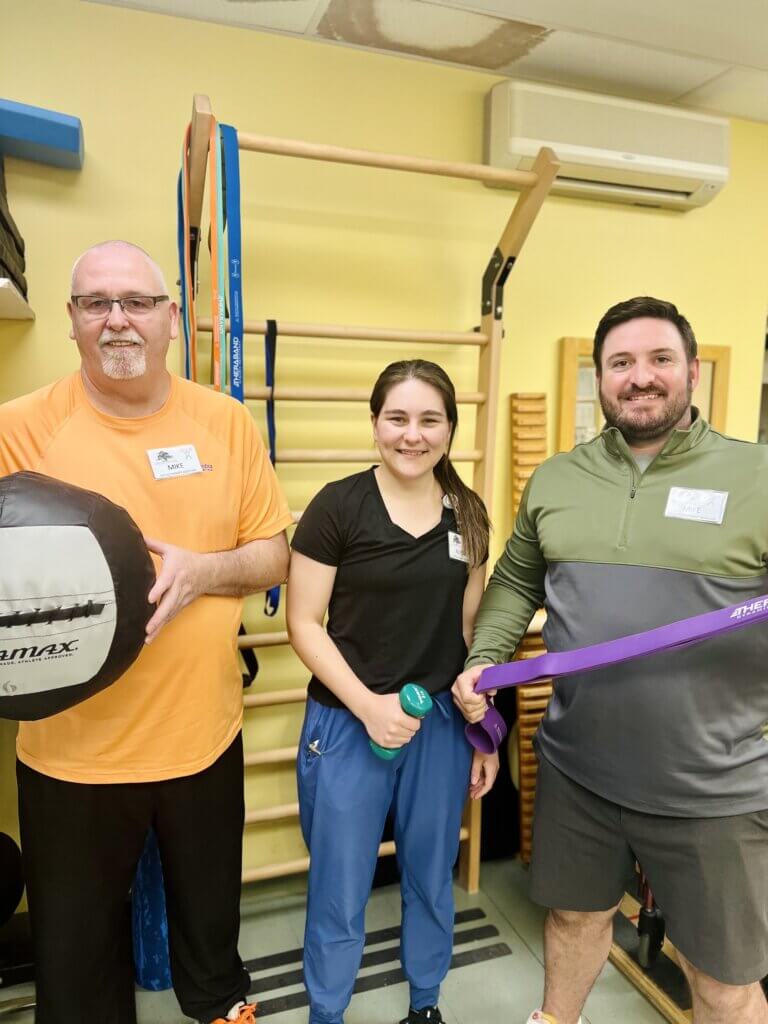
Gone are the days when “health” simply meant bouncing back from illness. Today, we’re building a more proactive and holistic approach to well-being. We see long-term wellness as the ultimate goal; living longer, healthier and more active lives has never been more achievable. To celebrate National Physiotherapy Month, we caught up with our physiotherapy team: Mike Dier, Rehabilitation and Life Enrichment Manager, Mike Flaherty and Alyssa Dietschweiller, both Physiotherapy Assistants, to talk about all things movement.
What inspired you to become a Physiotherapist/Physiotherapist Assistant?
The team’s consensus was a desire to help people and a passion for movement. Alyssa shared, “I was quite active growing up and played a lot of sports. I personally spent a lot of time in physiotherapy, which sparked my interest in pursuing a career in the field.”
Mike D. explained that he also has a background in sports and previously worked in athletic management. “The cool part is that we use a lot of the same techniques and equipment in athletic kinesiology as we do in long-term care. It really shows the basics of movement are universal.”
What do you enjoy most about working in long-term care?
“It’s just nice to get people back on their feet,” Mike F. explained. “I previously worked in physiotherapy clinics where it can feel a bit like a revolving door of one client after the next. What I love about working here is that it’s more personal, we get to spend time and get to know each resident, we hear their life stories.”
Mike D. added that he feels there is a huge stigma around long-term care, and people tend to decline when they get here. “We’ve really flipped the script, and the goal is about maintaining mobility, which ultimately means they can maintain their independence.”
Can you share what a typical day looks like for the physio team?
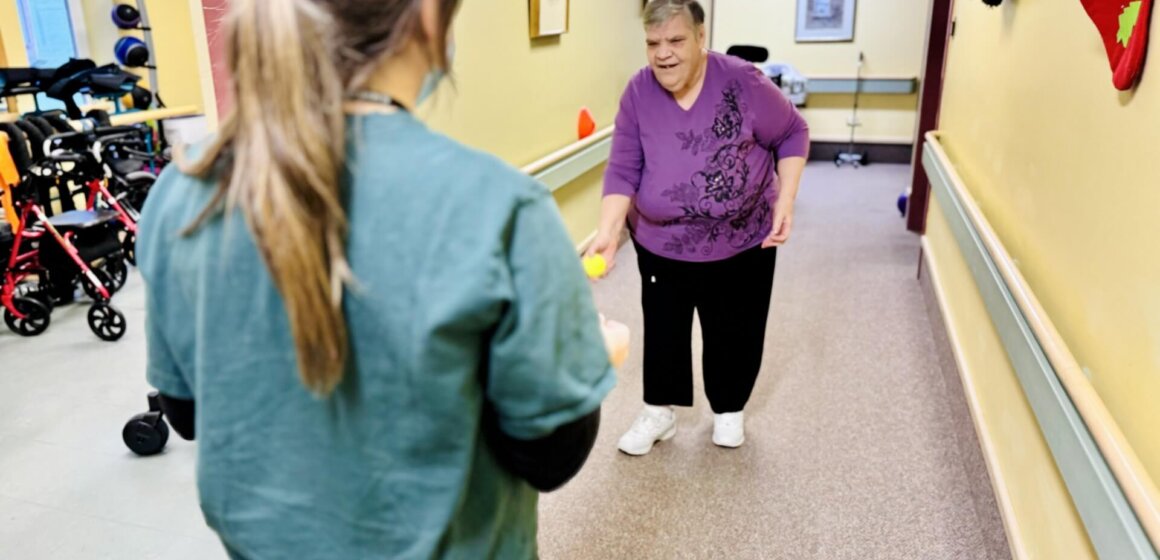
While no two days look alike, Alyssa starts each day by leading a resident exercise class. “I really enjoy exercise class because we typically see a big group of enthusiastic residents ready to start their day with us,” Alyssa said.
Mike F. explained his colleagues from the Life Enrichment team take the lead on a walking program every other day, and then it’s all about 1-on-1 time with residents. “Each resident gets their own individualized program for physio based on their needs, injuries, and abilities. It’s structured to each person. Alyssa and I rotate through a set schedule each week.”
The team also works closely with staff and management teams to ensure consistency and collaboration in overall care for all residents.
How does physiotherapy support the quality of life for our residents?
The team emphasized the importance of movement, a critical part of the recipe for maintaining quality of life.
“It’s important for residents to maintain autonomy, even if it’s completing some basic daily tasks like brushing their teeth or washing their face. This is especially important if they have come from a setting where they have been more dependent on care,” said Mike D.
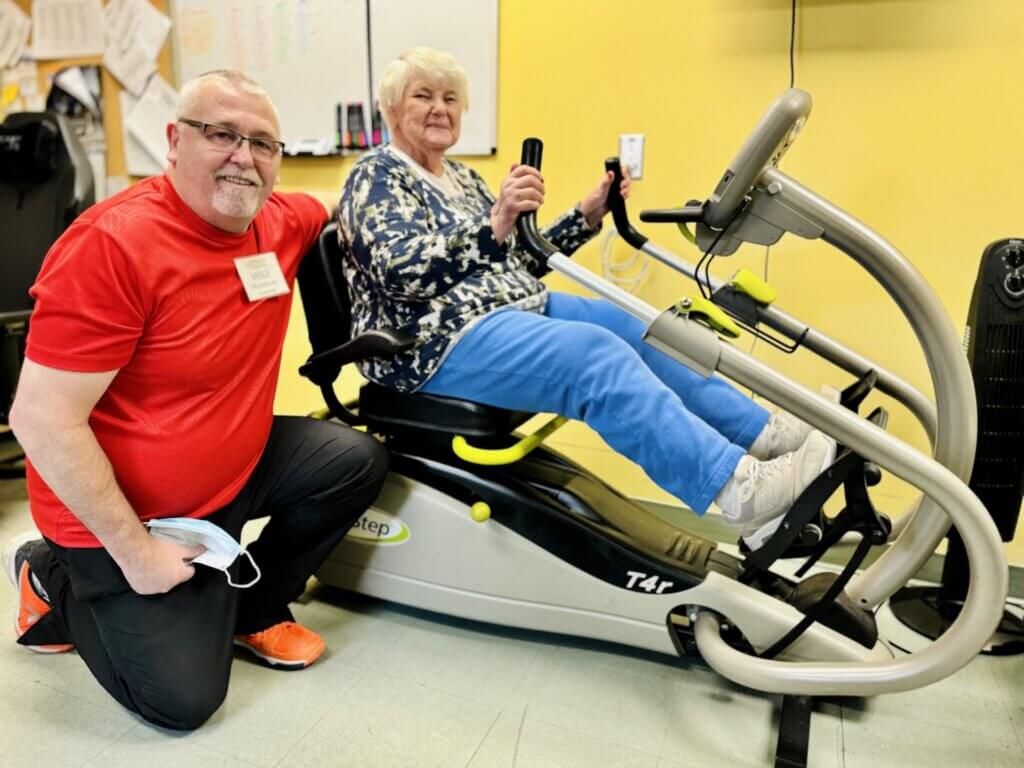
Mike D. explained that everyone gets some form of physio here at the Manor, whether it’s support for basic movement, gaining back the ability to walk, maintaining the ability to complete specific functional tasks, or tending to an injury; every resident has a plan of care which includes movement.
What are some common goals you help residents work toward?
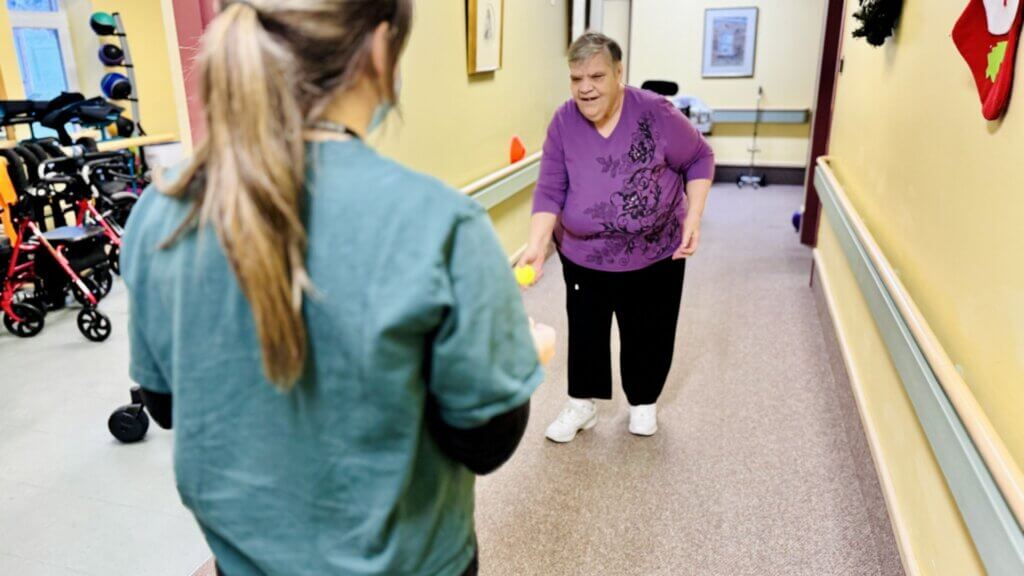
While mobility is always the big picture goal, Mike F. explained some residents have very specific goals they want to work toward accomplishing or maintaining.
“Sometimes it’s about the opportunity to go home on the weekends and spend time with their family, other times it’s about being able to walk up the stairs or taking a drive in the car with a loved one,” Mike F. said.
Mike D. added that falling or the fear of falling can also be a barrier to physio. “We work to break down those barriers and find solutions to keep residents safe and active.” He added, movement can also be a huge factor in pain management and combating illness, which further emphasizes the importance of the team’s function in long-term care.
How do you work with other departments within the home to support residents?
Mike D. explained that every resident receives a care plan encompassing elements from every department as a holistic approach to care. Mike F. added that because they tend to have the ability to spend a lot of time with each resident, the physio team can be a good support to the other teams if they are dealing with challenging behaviours or brainstorming new support mechanisms.
Mike D. further explained they work closely with Brockville Home Health Care and are the first point of contact if a resident requires any sort of equipment or assistive devices. “We can provide temporary wheelchairs or other assistive devices while helping families to acquire equipment.”
What is something you wish more people understood about physiotherapy in a long-term care setting?
A common misconception is that if a resident is in pain, they should stop moving, or if safety concerns arise, they should stop moving.
Mike D. explained, “what I want people to know is that movement is just as important as basic hygiene practices and can actually alleviate issues causing pain.” He went on to explain, “the issue of safety comes up a lot, but putting someone in a wheelchair or a restrictive device should always be a last resort. Our team works together with other departments at the Manor to come up with creative ways to avoid restrictive devices and maintain quality of life.”
Mike F. explained he understands the public perception is often that physio is just an extra service offered, but in reality, physio is a requirement by Ministry standards and offered daily by a full-time team.
Is there a moment or a success story that has stuck with you?
The team enjoys weekly success stories, but one resident truly stood out as a major breakthrough recently.
Alyssa explained their resident had been told at another long-term care home that it was unlikely she would walk again. “That prior diagnosis really gave us more motivation to get her walking again. When we weren’t initially successful, we collaborated as a team and came up with different plans to be able to make it happen. We got her moving slowly but surely, now she walks independently.”
Mike D. really attributes the success of his team to thinking outside of the box and getting creative.
“I personally love a challenge,” Mike F. said, smiling. “A significant number of residents, especially those from a hospital setting, come to us as a lift transfer, and with the help of our team, are now walking regularly.”
What is something fun or surprising about your team that others might not know?
“We trial everything first,” Mike D. explained. “We’re well known for having a lot of fun and encouraging healthy competition among residents,” he laughed. Mike D. added that they always remind residents that the team would never ask them to do something the team can’t do themselves, and residents can always say I want to see you do it first, and we’re happy to practice what we preach!”